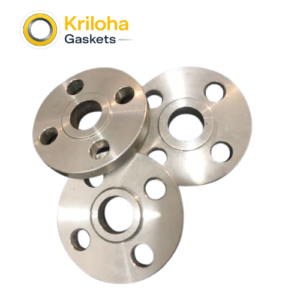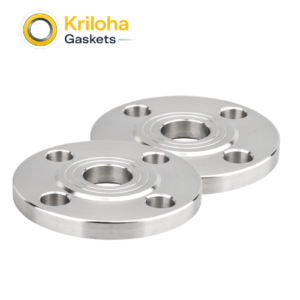
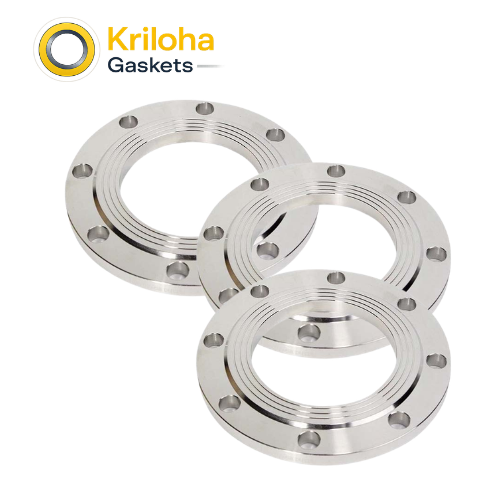
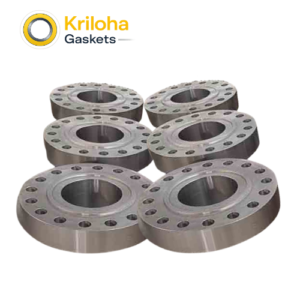
Forged Flange Stainless Steel 316 En1092-1 Din Ss Flange

Forged Flange Stainless Steel 316 En1092-1 Din Ss Flange

Core Features

  • EN1092-1 & DIN European Standard Compliance: Precision-manufactured to the European EN1092-1 standard (which supersedes the traditional German DIN standard), ensuring strict dimensional compatibility with continental valves, pumps, and European metric pipeline networks.
  • Premium Grade 316 Stainless Steel: Molybdenum-bearing alloy that delivers superior resistance to chloride pitting, crevice corrosion, and heavy stress-cracking compared to standard 304 stainless steel.
  • Forged Microstructural Integrity: Hot-forged from fully certified steel billets to create a continuous, refined grain flow. This eliminates internal air pockets, voids, and structural weaknesses, ensuring maximum tensile strength under pressure.
  • High Nominal Pressure (PN) Versatility: Available in standard European pressure ratings—including PN6, PN10, PN16, PN25, and PN40—to reliably handle broad operational loads.
  • Micro-Tolerance Face Machining: Finished with standardized European sealing surfaces, such as Type A (Flat Face) or Type B (Raised Face), featuring precision-machined finishes for ideal gasket seating.

At Kriloha Gaskets & Hardware, we recognize that in global fluid systems, standard alignment is the bedrock of operational uptime. Our Forged Stainless Steel 316 EN1092-1 / DIN Flanges represent our engineered answer for “European-Standard-Compliance” and “Chloride-Pitting-Defense.” As a premier supplier of high-performance pipeline and sealing interfaces, Kriloha ensures that every forged flange provides an absolute mechanical seal for international fluid processing setups.

The engineering of our forged EN1092-1 program is founded on Metallurgical-Traceability and Precision Geometry. By utilizing controlled hot-forging processes rather than lower-cost casting methods, our flanges offer vastly superior impact toughness and fatigue resistance. This refined grain structure ensures the flange won’t warp or stress-crack under high bolt torque or intense thermal cycles. At Kriloha, we precision-machine the European face configurations—including Type B1 raised faces with controlled roughness ($R_a$) profiles—resulting in “Failure-Resistant” connections that mechanically interlock with your chosen gasket sheets.

Provisioning these critical industrial components involves strict Dimensional Compliance, Pressure Verification, and Material Grade Certification. We collaborate directly with your engineering and procurement teams to supply specific European flange types—including Type 01 (Plate/Slip-on), Type 05 (Blind), and Type 11 (Weld Neck)—tailored to your exact metric pipeline schedules. By choosing Kriloha Gaskets & Hardware, you are investing in a “Future-Proof” industrial partnership that prioritizes your system’s longevity through premium metallurgy and micro-tolerance engineering.
Primary Use Cases

  • Marine & Offshore Engineering: Critical structural connections for seawater cooling systems, ballast piping, and offshore oil platforms exposed to aggressive marine atmospheres.
  • Chemical & Process Industries: Transport lines handling highly corrosive chemicals, nitric acid, organic solvents, and industrial reagents.
  • Pharmaceutical & Biotech Infrastructure: High-purity process lines where Grade 316 stainless steel prevents product contamination and survives aggressive clean-in-place (CIP) chemicals.
  • Desalination & Water Treatment: Large-scale piping systems managing high-chloride brine concentrations and aggressive water purification filtration.
  • Power Generation Utilities: Steam, condensate, and high-pressure water lines within modern power and chemical manufacturing plants.

Frequently Asked Questions (FAQs)

What is the difference between the EN1092-1 standard and the older DIN standard?

EN1092-1 is the modern European standard that consolidated and replaced the individual national standards of European countries, including the German DIN standards (such as DIN 2576, DIN 2527, etc.). While many dimensions overlap perfectly, EN1092-1 outlines stricter testing, updated material classifications, and unified pressure-temperature ratings.

Why is a “Forged” flange better than a “Cast” flange?

Forged flanges are heated and mechanically hammered into shape, which forces the internal metal grains to align smoothly with the geometry of the part. This process eliminates internal gas bubbles and voids that can cause dangerous stress fractures in cast components when subjected to high pressures or sudden pressure surges.

What do the “PN” designations (e.g., PN10, PN16) mean?

“PN” stands for Pressure Nominal (Nominal Pressure) in the metric system. The number represents the maximum allowable working pressure in bars at an ambient reference temperature. For example, a PN16 flange is rated to operate at pressures up to 16 bar (~232 PSI) under standard ambient conditions.

When must I choose Grade 316 stainless steel over Grade 304 for European flanges?

Grade 316 contains 2–3% Molybdenum, which Grade 304 lacks. This specific additive makes Grade 316 highly essential for applications exposed to sea salt, brackish water, chemical acids, or high-chlorine environments where Grade 304 would develop severe pinhole pitting.

Can Kriloha supply these European flanges with customized facing finishes?

Yes. While we stock standard Type B1 (standard roughness) faces, we can precision-turn our forged flanges to accommodate specific European facing requirements—such as Type C (Tongue), Type D (Groove), or custom smooth finishes—to match your proprietary equipment blueprints.

This is the heading

Lorem ipsum dolor sit amet consectetur adipiscing elit dolor

Request a Quote

Enter your details here

Great! We’ve received your information.

We couldn’t process your submission. Please retry

Scroll to Top

Get a Quote

Great! We’ve received your information.

We couldn’t process your submission. Please retry