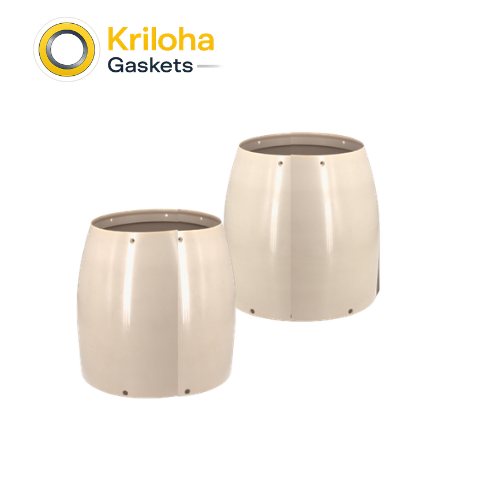
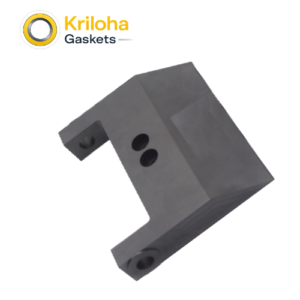
PEEK radome

PEEK radome

Core Features

  • Superior Electromagnetic Transparency: PEEK features a low dielectric constant and low loss tangent, allowing radar signals and microwave frequencies to pass through with minimal attenuation or signal distortion.
  • Extreme Thermal Stability: Maintains structural integrity and protective properties in continuous operating environments up to 250°C (482°F), shielding sensitive antenna arrays from high-speed friction and heat.
  • High Compressive & Tensile Strength: Reinforced PEEK variants provide the structural rigidity of a metal with the lightweight benefits of a polymer, resisting mechanical stress and high-velocity impacts.
  • Absolute Chemical & UV Immunity: Completely immune to aggressive industrial solvents, hydraulic fluids, and saltwater, with high natural resistance to UV degradation in high-altitude environments.
  • Low Outgassing & High Purity: Manufactured from 100% virgin or reinforced PEEK to ensure zero particulate contamination, meeting the strict requirements for aerospace and satellite instrumentation.

At Kriloha Ltd., we recognize that for radar and communication systems, the housing must be invisible to the signal but invincible to the environment. Our PEEK Radomes are our engineered answer for “Signal-Purity-Security” and “Environmental-Isolation”. As a premier provider of customized PEEK solutions, Kriloha has developed a specialized manufacturing division that translates complex electromagnetic and mechanical requirements into high-performance protective realities.

The engineering of our radomes is founded on Dielectric-Security and Structural-Rigidity. By utilizing state-of-the-art 5-axis CNC machining, we eliminate the structural inconsistencies often found in standard plastic housings, ensuring uniform wall thickness which is critical for signal phase-matching. At Kriloha, we verify the dimensional stability of every bespoke radome under maximum thermal load, resulting in “Failure-Resistant” interfaces that protect your sensitive instrumentation in the most demanding environments.

Manufacturing these advanced protective components involves strict Dimensional, Thermal, and Insulation Verification. We collaborate directly with your engineering teams to process bespoke configurations—including integrated mounting tabs, proprietary internal compartments, and optimized geometries for specific frequency bands. By choosing Kriloha Ltd., you are investing in a “Future-Proof” manufacturing partnership that optimizes your system’s reliability through superior material performance.
Primary Use Cases

  • Aerospace & Avionic Radar: Protective covers for weather radar and navigation antennas on commercial and military aircraft.
  • Satellite Communications: High-performance radomes for orbital sensors and communication arrays exposed to extreme thermal cycling in space.
  • Military & Defense Systems: Ruggedized housings for missile guidance systems and tactical communication hardware.
  • Subsea Instrumentation: Corrosion-resistant radomes for underwater acoustic sensors and sonar equipment exposed to high hydrostatic pressure.
  • High-Temperature Industrial Sensing: Protective enclosures for radar-based level sensors in chemical mixing vats or industrial furnaces.

Frequently Asked Questions

Why use PEEK for a radome instead of standard Fiberglass or PTFE?

Fiberglass can be heavy and prone to moisture absorption, while PTFE lacks the structural strength for high-impact or high-pressure environments. PEEK provides the mechanical strength of a metal with superior electromagnetic transparency and extreme heat resistance.

Can these radomes be used in Ultra-High Vacuum (UHV) environments?

Yes. PEEK has exceptionally low outgassing properties, making these radomes an industry standard for satellite instrumentation and aerospace hardware where maintaining vacuum integrity is mandatory.

How does PEEK handle high-speed friction and “Aerodynamic Heating”?

PEEK maintains its mechanical integrity up to 250°C, ensuring the radome does not warp or melt during high-speed flight or exposure to engine heat, protecting the antenna’s calibration.

Is it possible to integrate specialized mounting points into the design?

Absolutely. As a customization specialist, Kriloha can machine intricate mounting features, non-standard thread pitches, and internal sensor bays directly into the PEEK radome based on your CAD specifications.

How does PEEK prevent signal interference?

PEEK’s low dielectric constant and non-conductive nature prevent the housing from absorbing or reflecting the radio waves it is meant to protect, ensuring maximum signal range and clarity.

This is the heading

Lorem ipsum dolor sit amet consectetur adipiscing elit dolor

Request a Quote

Enter your details here

Great! We’ve received your information.

We couldn’t process your submission. Please retry

Scroll to Top

Get a Quote

Great! We’ve received your information.

We couldn’t process your submission. Please retry