
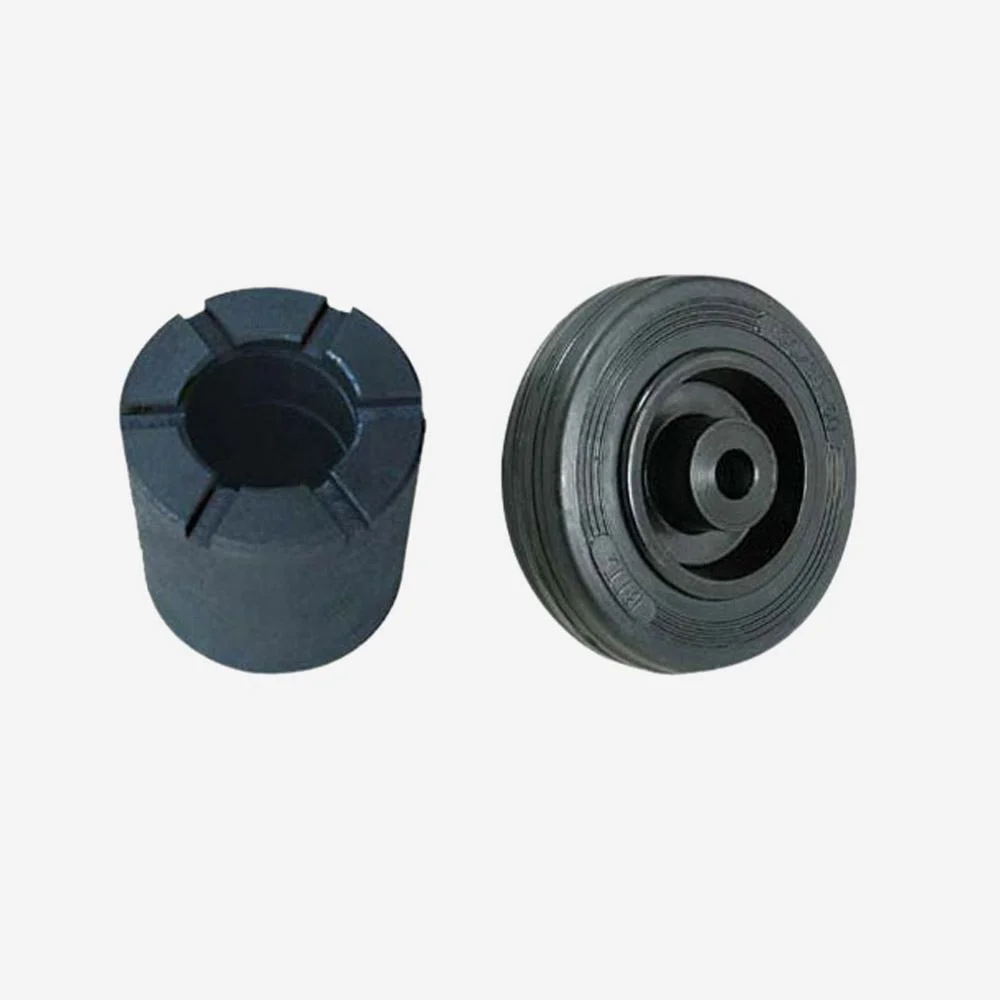
Plastic Bonded Rubber Parts

Plastic Bonded Rubber Parts

  • Permanent Chemical Vulcanization: Utilizes advanced primers and molding techniques to create an inseparable molecular bond between flexible elastomers and rigid thermoplastic substrates.

  • Significant Weight Reduction: Offers the structural support of a bonded part at a fraction of the weight of traditional rubber-to-metal bonded components.

  • Absolute Corrosion Resistance: Eliminates the risk of rust, oxidation, and galvanic corrosion, making it highly suitable for water, chemical, and medical applications.

  • Electrical & Thermal Insulation: Engineered plastics act as natural insulators, preventing electrical conductivity and minimizing thermal transfer in sensitive assemblies.

  • Unitized OEM Assembly: Combines a structural plastic carrier and a rubber seal into a single component, reducing overall part count and streamlining manufacturing workflows.

  • Custom Material Pairings: Highly adaptable manufacturing allowing for combinations like Nitrile to Nylon, Silicone to Polycarbonate, or EPDM to Acetal (Delrin).

Advanced Plastic Bonded Rubber Parts by Kriloha Gaskets

In the modern landscape of industrial engineering, manufacturers are constantly seeking innovative ways to reduce component weight, eliminate corrosion, and streamline assembly processes without sacrificing sealing performance. While traditional rubber-to-metal bonding has been the industry standard for high-pressure applications, the heavy weight and susceptibility to rust make metal substrates unsuitable for certain environments. To bridge this gap, Kriloha Gaskets offers precision-engineered Plastic Bonded Rubber Parts—a cutting-edge sealing solution that permanently fuses high-performance elastomers to rigid, lightweight engineered thermoplastics.

The Science of Rubber-to-Plastic Bonding Achieving a flawless bond between rubber and plastic requires highly specialized manufacturing expertise. Unlike simple adhesive gluing, which can fail under mechanical stress or temperature fluctuations, our process utilizes chemical vulcanization. During the overmolding process, the rigid plastic substrate (such as Nylon, ABS, or Delrin) is pre-treated with proprietary bonding agents. As the raw elastomer is injected into the mold and subjected to intense heat and pressure, a cross-linked molecular bond is formed between the two distinct materials. The resulting adhesion is so robust that under extreme destructive testing, the rubber will physically tear before it separates from its plastic core.

The Strategic Advantage of Thermoplastics Upgrading to plastic bonded components provides several distinct engineering advantages. The most immediate benefit is a drastic reduction in overall weight, which is a critical design factor in the automotive, aerospace, and portable power equipment industries. Furthermore, unlike steel or brass, engineered plastics are inherently immune to rust and galvanic corrosion. This makes plastic bonded parts the superior choice for plumbing fixtures, water filtration systems, and harsh chemical processing environments. Additionally, thermoplastics act as excellent electrical and thermal insulators, providing a protective barrier in complex electromechanical devices and control panels.

Maximizing Assembly Line Efficiency Beyond their physical properties, plastic bonded rubber parts deliver massive cost savings on the OEM assembly line. By consolidating a rigid support structure (like a washer, bracket, or housing) and a flexible seal into one unitized component, manufacturers can eliminate secondary assembly steps. This one-piece design prevents the common issue of rubber seals rolling, twisting, or being pinched during installation, thereby reducing human error, minimizing scrap rates, and accelerating production timelines.

Custom Engineered for Your Specific Application Kriloha Gaskets does not believe in a one-size-fits-all approach. We act as your comprehensive manufacturing partner to engineer custom plastic bonded solutions tailored to your operational hazards. We expertly match the required structural thermoplastic—be it Polycarbonate, Acetal, PTFE, or glass-filled Nylon—with the optimal elastomer compound, such as EPDM for weatherability, Nitrile for petroleum resistance, or FKM (Viton) for severe chemical exposure. From prototype development to high-volume production, we ensure your bonded components meet the strictest dimensional tolerances and performance standards.

Primary Use Cases

  • Automotive and Fluid Control: Used in lightweight under-hood applications, pneumatic control valves, and fuel system components where weight reduction and chemical resistance are critical.

  • Medical and Pharmaceutical Devices: Ideal for fluid handling components, diagnostic equipment, and sterile environments where non-reactive, rust-proof, and easily sanitized parts are required.

  • Water Distribution and Plumbing: Deployed as valve seats, water meter seals, and filtration gaskets to ensure zero corrosion and compliance with strict drinking water standards.

  • Consumer Electronics and Appliances: Utilized for internal dust seals, moisture barriers, and shock-absorbing mounts where electrical insulation is a strict safety requirement.

  • Pneumatic Tools and Actuators: Integrated into lightweight air tools and cylinders to provide a robust, blowout-proof seal without adding unnecessary bulk to the equipment.

FAQ

1. Why should I choose a plastic bonded part over a traditional metal bonded part?

The primary reasons are weight reduction, complete corrosion resistance, and electrical insulation. If your application involves exposure to water or corrosive fluids where metal would rust, or if you are trying to shed weight in an automotive or aerospace design, plastic bonded parts are the superior engineering choice.

2. What types of plastics can Kriloha Gaskets bond rubber to?

We can bond premium elastomers to a wide variety of engineered thermoplastics. Our most common substrates include Nylon (Polyamide), Acetal (POM/Delrin), Polycarbonate, ABS, and high-performance resins like PEEK and PTFE. We can also utilize glass-filled plastics for applications requiring exceptional structural rigidity.

3. Will the rubber eventually peel away from the plastic substrate?

No. We do not use commercial glues or double-sided tapes for these components. Our manufacturing process utilizes chemical vulcanization, creating a permanent molecular bond between the rubber and the plastic. The bond strength actually exceeds the tear strength of the elastomer itself.

4. Can plastic bonded parts withstand high operating temperatures?

The temperature limit is generally dictated by the plastic substrate rather than the rubber. While elastomers like Silicone or FKM can easily handle extreme heat, standard plastics like ABS will warp or melt at high temperatures. For high-heat applications, we utilize advanced, high-temperature thermoplastics (like PEEK) that can maintain structural integrity alongside high-temperature elastomers.

5. What is the process for ordering custom plastic bonded components?

Simply contact the Kriloha Gaskets engineering team with your CAD drawings and operational requirements (including temperature, fluid exposure, and mechanical load). We will consult with you to select the perfect plastic-elastomer pairing, provide a detailed quote, and can produce rapid prototypes for functional testing before moving to full-scale manufacturing.

This is the heading

Lorem ipsum dolor sit amet consectetur adipiscing elit dolor

Request a Quote

Enter your details here

Great! We’ve received your information.

Scroll to Top

Get a Quote

Great! We’ve received your information.