
FLUSHING RING AND FLUSHING FLANGE
In the world of industrial instrumentation, precision is often threatened by the very media being measured. High-viscosity fluids, slurries, and materials that tend to solidify can clog diaphragm seals and render sensitive transmitters useless. Kriloha Gaskets, a global leader in high-performance sealing and industrial hardware, provides the ultimate solution: our specialized range of Flushing Rings and Flushing Flanges.
Catagories
What is a Flushing Ring?
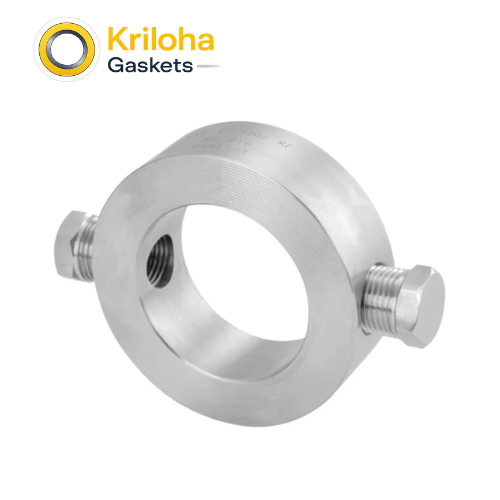
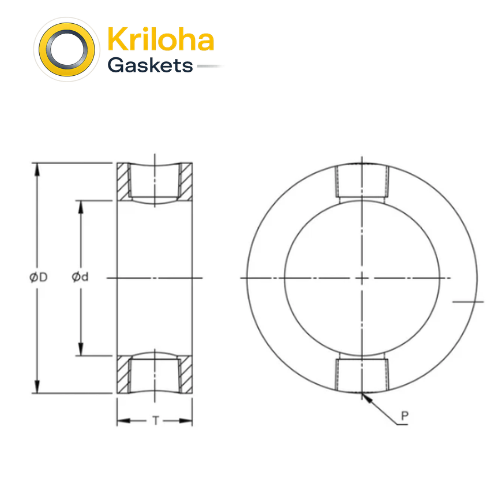
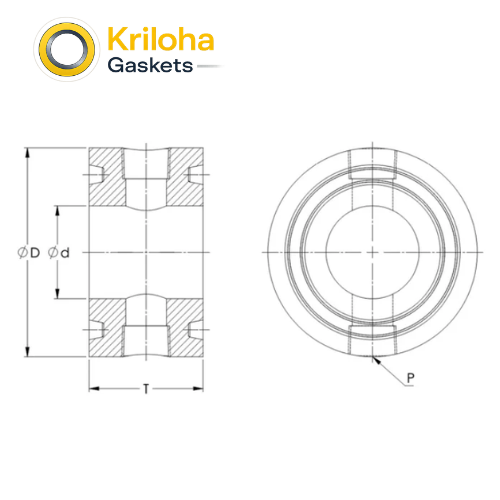
A flushing ring is a disk-like component, typically featuring one or two threaded ports on its side. It is installed between the process connection and the diaphragm seal of a pressure transmitter.
The primary purpose of a flushing ring is to allow operators to “flush” out accumulated debris or stagnant process media that might interfere with accurate pressure readings. By injecting a cleaning solvent or gas through the flushing port, the diaphragm face is kept clean, ensuring long-term sensor accuracy and reducing the frequency of costly maintenance shutdowns.
Technical Specifications and Material Integrity
At Kriloha Gaskets, we understand that these rings are “wetted” components, meaning they are in constant contact with the process media. Therefore, metallurgical excellence is our top priority.
Material Selection:
Stainless Steel (316/316L): The standard for general industrial resistance to corrosion and oxidation.
Monel 400: Excellent for hydrofluoric acid and seawater applications.
Hastelloy C276: Engineered for extremely aggressive chemical service involving chlorides and sulfuric acid.
Duplex & Super Duplex: Ideal for high-pressure offshore environments where stress-corrosion cracking is a major concern.
Tantalum or Titanium: Available for highly specialized, highly corrosive chemical processes.
Design and Standards:
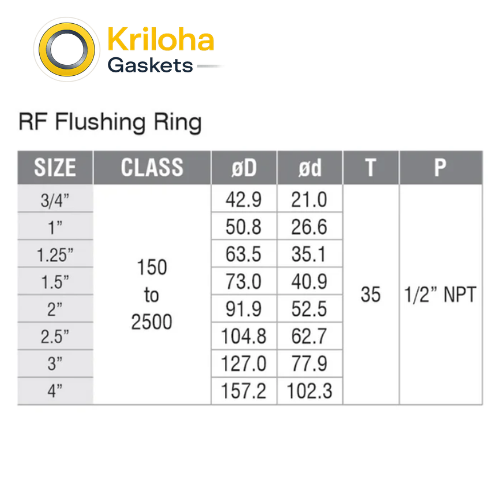
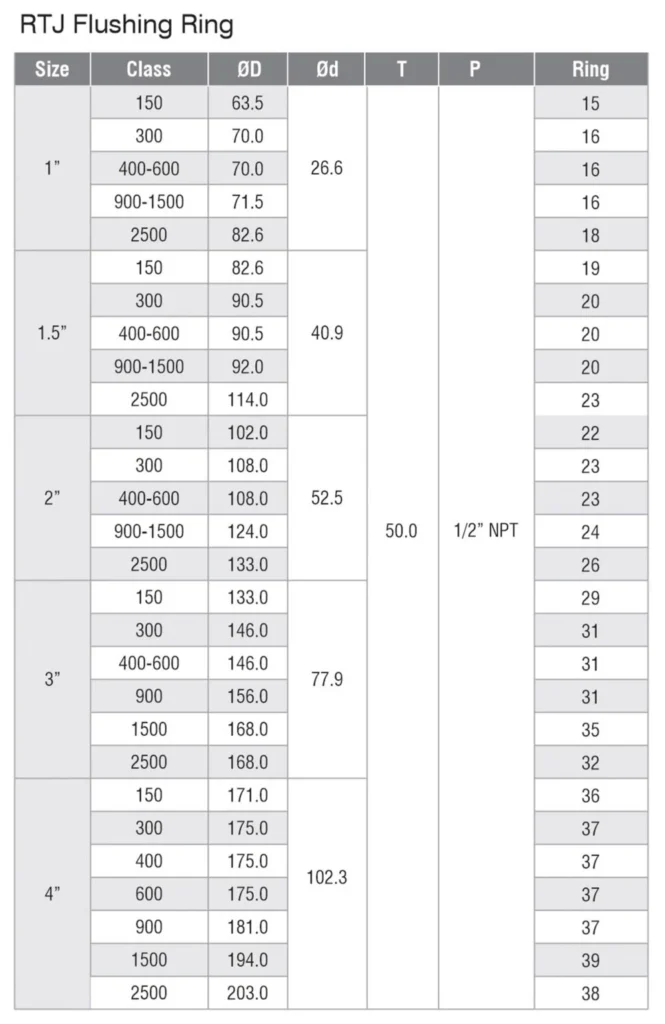
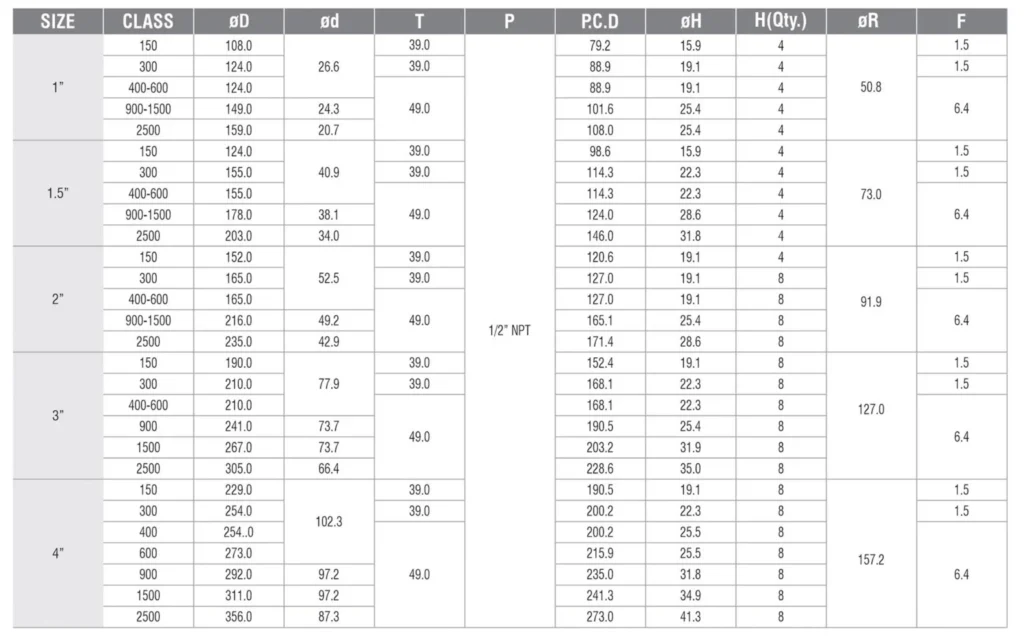
Our flushing rings and flanges are designed to match international flange standards, including ASME B16.5 (Class 150 to 2500) and EN 1092-1. They are available in various sizes, typically ranging from 1″ to 4″, and can be customized for larger bore systems upon request.
Key Configurations: Flushing Rings vs. Flushing Flanges
While often used interchangeably, there are subtle differences in their application:
1. Flushing Rings (Wafer Style)
The most common design, these are “wafer” style components that are sandwiched between two flanges using long studs. They are compact, cost-effective, and provide an efficient way to add flushing capabilities to an existing setup.
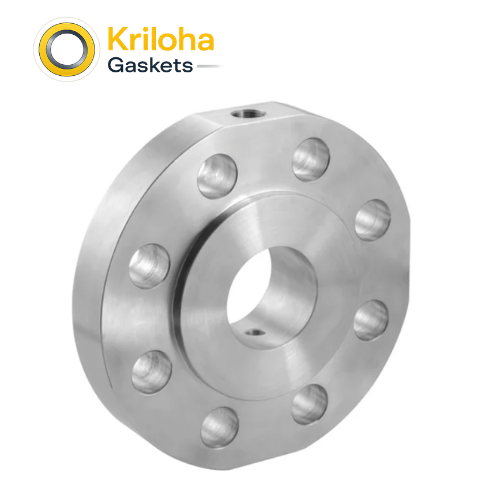
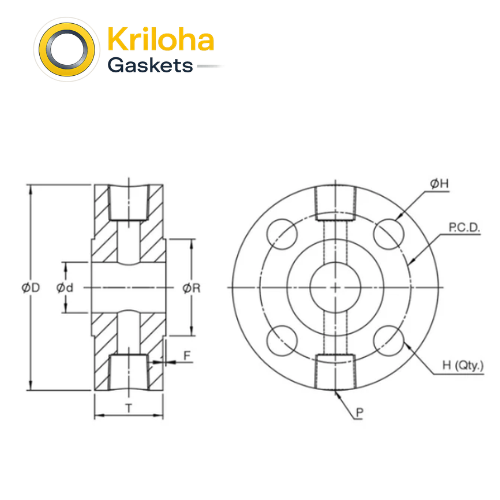
2. Flushing Flanges
These are integrated units where the flushing ports are built directly into a standard flange body. They are typically used in new installations where a more robust, one-piece construction is preferred over a wafer-style sandwich.
Port Configurations:
Single Port: Used for simple drainage or the injection of a cleaning agent.
Dual Port: The preferred setup for continuous flushing. One port acts as the inlet for the cleaning media, while the second port acts as the outlet (vent), allowing for a thorough “sweep” across the diaphragm face.
Available Profile Configurations
The Kriloha Advantage: Sealing Expertise
Why buy your flushing accessories from a gasket specialist? Because the effectiveness of a flushing ring depends entirely on the integrity of the seal.
1. Optimized Gasket Surface
We machine the faces of our flushing rings to specific serration standards (AARH 125-250), ensuring that our Spiral Wound Gaskets or Kammprofile Gaskets achieve a perfect, leak-free seat.
2. Reduced Fugitive Emissions
Every threaded port on a Kriloha flushing ring is precision-cut to NPT or BSPT standards. When paired with our high-quality Needle Valves or Bleed Plugs, the risk of fugitive emissions is virtually eliminated.
3. Comprehensive Maintenance Kits
Kriloha doesn’t just sell the ring. We provide the complete “Instrumentation Protection Kit,” including the ring, the necessary gaskets, high-tensile studs, and the isolation valves for the flushing ports.
Installation and Maintenance Best Practices
To maximize the ROI of your instrumentation hardware:
Valve Selection: Always install a high-quality needle valve on the flushing port. This allows you to close the port securely when flushing is not in progress.
Cleaning Media Compatibility: Ensure the flushing fluid (water, steam, or solvent) is chemically compatible with both the flushing ring material and the transmitter diaphragm.
Gasket Replacement: Every time the flushing ring is removed for inspection, the gaskets must be replaced. Reusing compressed gaskets is a leading cause of process leaks.
Frequently Asked Questions (FAQ's)
Q: What is the difference between a Drip Ring and a Flushing Ring?
A: They are the same component. The term “Drip Ring” is often used in the field because the ports are used to “drip” or drain out condensate or trapped process media.
Q: Do I need a single or dual-port flushing ring?
A: A single port is sufficient for simple drainage or venting. However, a dual-port ring is highly recommended if you need to perform a thorough cleaning (flushing) of the diaphragm face while the system is online.
Q: Can these rings be used with RTJ (Ring Type Joint) flanges?
A:Yes. While the wafer-style is standard for Raised Face (RF) flanges, Kriloha Gaskets can manufacture custom flushing rings with grooves specifically designed for RTJ connections.
Q:What size are the flushing ports?
A: The standard port size is 1/4″ NPT or 1/2″ NPT, which allows for the easy connection of standard needle valves or tubing.
Q: How do I select the right material for my flushing ring?
A: The material of the flushing ring should generally match the material of the transmitter diaphragm and the process piping to prevent galvanic corrosion and ensure uniform chemical resistance.
Contact Kriloha Ltd. Today
for your valve and fitting parts accessories requirements. Invincible Seals. Agile Solutions.