Spiral Wound Gasket

Spiral Wound Gasket

Core Features

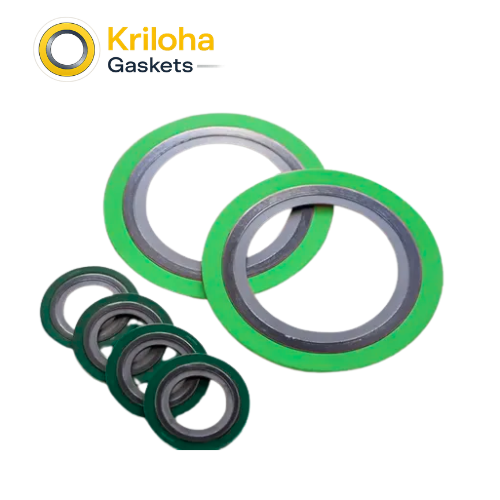
  • Semi-Metallic Resilience: Constructed by spirally winding a V-shaped metallic strip (the “winding”) with a soft, non-metallic filler material, combining the structural strength of metal with the sealing efficiency of a soft gasket.

  • High Pressure and Temperature Handling: Engineered to perform under extreme conditions, including high-pressure steam and aggressive hydrocarbon environments, maintaining seal integrity during thermal cycles.

  • “Spring-Like” Recovery: The V-profile winding acts as a mechanical spring, providing excellent recovery and the ability to maintain a “live” seal even as flange bolts relax or system pressures fluctuate.

  • Blowout Resistance: The robust metallic winding provides inherent resistance to blowout, making it a critical safety component for high-pressure industrial valve bonnets and flanges.

  • Customizable Material Options: Available in various metallurgical alloys (such as 316L, 304, or Inconel) and fillers (Flexible Graphite, PTFE, or Mica) to match specific chemical and thermal requirements.

At Kriloha Ltd., we understand that “Severe-Service” environments leave no room for error. Our Spiral Wound Gaskets are our engineered answer for “High-Performance-Containment” and “Mechanical-Resilience.” As a premier global provider of industrial seals, Kriloha Gaskets has developed a winding technology that balances mechanical invincibility with the sealing agility required for modern industrial plants.

The engineering of our spiral wound series is based on Structural Spring-Action. By precision-winding high-grade metallic strips with advanced fillers, we ensure that the gasket reacts dynamically to system stressors. At Kriloha, we verify that our gaskets meet or exceed ASME B16.20 standards, utilizing high-purity fillers like Flexible Graphite to ensure a gas-tight seal at lower bolt loads. This creates a “Rigid-Resilient” barrier that maintains its seal even during rapid pressure surges.

Manufacturing these gaskets involves strict Winding Density Calibration. We ensure that the tension of the winding is optimized for the specific flange finish and pressure class of your system. Whether you are sealing a critical high-pressure steam valve or a high-heat refinery header, Kriloha Spiral Wound Gaskets provide the mechanical durability your facility demands. By choosing Kriloha Ltd., you are investing in a “Safety-Critical” technology that secures your assets against the most punishing operational cycles.
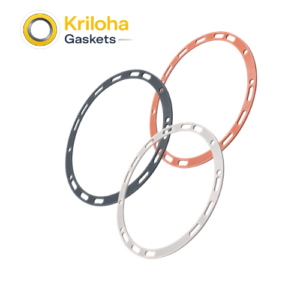
Primary Use Cases

  • High-Pressure Valve Bonnets: Providing a reliable primary seal for the pressure-containing joints of industrial gate, globe, and check valves.

  • Petrochemical & Refinery Flanges: Managing volatile hydrocarbons and steam in processing units where leak prevention is a safety mandate.

  • Power Generation Steam Headers: Sealing critical connections in superheated steam lines that undergo frequent thermal expansion and contraction.

  • Heat Exchangers: Used in shell-and-tube exchangers to handle differential expansion between the tube sheet and the housing.

FAQ's

What is the purpose of the inner and outer rings on a Spiral Wound Gasket?
The outer ring acts as a centering device and a compression stop, while the inner ring prevents the winding from buckling inward and protects it from the process media.

Can I reuse a Spiral Wound Gasket?
No. These gaskets are designed for a “single-crush” application. Once compressed, the metallic winding loses its spring-like recovery, and re-installation significantly increases the risk of leakage.

How do I choose the right filler material?
Flexible Graphite is the standard for high-temp steam and hydrocarbons (+450°C), while PTFE is used for aggressive chemicals and lower temperatures (up to +260°C).

Are these gaskets fire-safe?
Yes. When manufactured with graphite or metallic fillers, Spiral Wound Gaskets are inherently fire-safe and capable of maintaining a seal during extreme heat events.

What information is needed for a custom order?
Kriloha requires the Flange Standard (ASME/DIN), Pipe Size, Pressure Class, and your preferred Winding/Filler materials.

This is the heading

Lorem ipsum dolor sit amet consectetur adipiscing elit dolor

Request a Quote

Enter your details here

Great! We’ve received your information.

We couldn’t process your submission. Please retry

Scroll to Top

Get a Quote

Great! We’ve received your information.

We couldn’t process your submission. Please retry